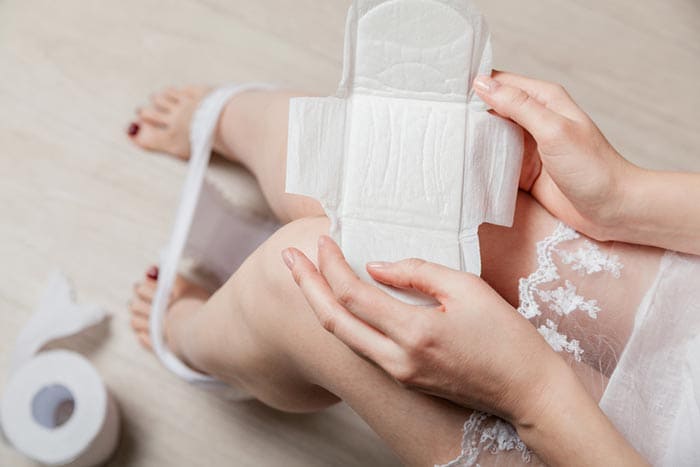
Tips on How to Treat and Prevent Vaginal Discharge Effectively

Treating vaginal discharge will have different methods according to the cause of the vaginal discharge. The vaginal discharge that must be treated is Abnormal vaginal discharge includes yellow, white, brown, and green vaginal discharge. together with abnormal symptoms within the vagina, such as a foul-smelling vagina, foamy vaginal discharge, and blood from the vagina Pain during urination or during sex But we can treat vaginal discharge and prevent it completely as follows:
Contents:
Understanding Vaginal Discharge

Vaginal discharge is a part of the body’s natural process that helps keep the vagina healthy. However, abnormal discharge, such as vaginal discharge with odor or yellow vaginal discharge, often indicates a loss of balance within the vagina and can arise from various causes such as vaginal infections, excessive vaginal douching, antibiotics, pregnancy, diabetes, and the use of certain vaginal products.
Treatment Methods for Vaginal Discharge

Seeing a specialist is the safest way to treat vaginal discharge. If you experience abnormal discharge for more than 2-3 days, show no signs of improvement, start developing a fever, or have other undesirable symptoms within the vagina, these could be signs of vaginal infections. Such conditions can arise from numerous causes, such as sexually transmitted infections (STIs). Untreated discharge might lead to prolonged and complicated diseases, notably STDs, which may require more extensive and challenging treatment.
Prevention Techniques
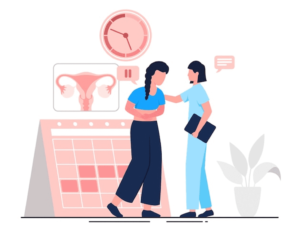
Effective prevention of vaginal discharge varies according to the cause of the discharge:
- Always wash and dry your hands before touching the genital area.
- Avoid using scented products and sprays near the genitals.
- Always wipe from front to back after using the bathroom to prevent infection.
- Choose unscented sanitary pads and change them every 2-3 hours.
- Clean the external genital area with mild soap or just water.
- Urinate after intercourse to help prevent urinary tract infections.
- Maintain a monogamous relationship or use condoms during sex to prevent STIs, especially if changing partners frequently.
- Opt for cotton underwear as cotton absorbs moisture, keeping the genital area dry and reducing irritation.
- Strengthen your immune system consistently (e.g., regular exercise, healthy eating, sufficient sleep).
- Avoid tight-fitting trousers and leggings; wear clothes that fit loosely, particularly during workouts, to prevent moisture buildup that can lead to vaginal infections.
- Never douche. Douching does not prevent or treat infections but rather kills good bacteria, disrupting the vaginal balance and potentially leading to further infections.
Conclusion
Treatment and prevention of vaginal discharge should be managed according to the specific cause. If abnormal discharge persists for more than 2-3 days along with other symptoms and does not improve, it is crucial to seek urgent medical attention. This approach will prevent the spread of infections to more critical health problems or other dangerous diseases.
References:
- “Vaginal Discharge” (n.d.), Blog, Nationwide Children’s;
- “Vaginal Discharge” (June 2023), Medically reviewed by Deepak S. Patel, MD, FAAFP, FACSM, Blog, Family Doctor;
Leave a Reply