STDs: What Everyone Needs to Know to Reduce Risks
Sexually Transmitted Diseases (STDs) are infections transmitted through unprotected sexual intercourse. STDs can have varying symptoms; some show no signs, while others may be infected unknowingly or only exhibit minor symptoms.
Contents:
Sexually Transmitted Diseases (STDs) are infections resulting from unprotected sex. There are many different STDs, each with different causes, such as infection through blood transfusion and blood products, during pregnancy, childbirth, breastfeeding, etc. Untreated STDs can impact life quality and lead to death.
Symptoms of STDs
Symptoms of STDs can vary:
- Pain during sexual intercourse or urination
- Unusual vaginal discharge or odor
- Irregular or painful menstruation
- Sores or blisters in or around the mouth
- Unusual discharge from the genitals
- Itching and redness in the genital area
- Genital sores or warts
- Anal itching, pain, or bleeding
- Painful urination, urinary retention, or frequent urination
- Lower abdominal pain
- Fatigue and fever
Different Types of STDs
Currently, there are more than 20 types of STDs, categorized into three major groups:
-
Bacterial Infections, such as:
- Chlamydia
- Gonorrhea
- Syphilis
-
Viral Infections, such as:
- HPV (Human Papilloma Virus)
- Hepatitis B
- Genital Herpes
- Genital Warts (Papilloma Virus or HPV)
- AIDS (HIV)
-
Other Infections, such as:
- Parasitic infections (Trichomanas), like Vaginal Trichomoniasis
- Fungal infections (Candida)
- Pubic Lice
Prevention of STDs
There are various methods of STD prevention:
- Having a single sexual partner is medically recognized as the best way to prevent STDs.
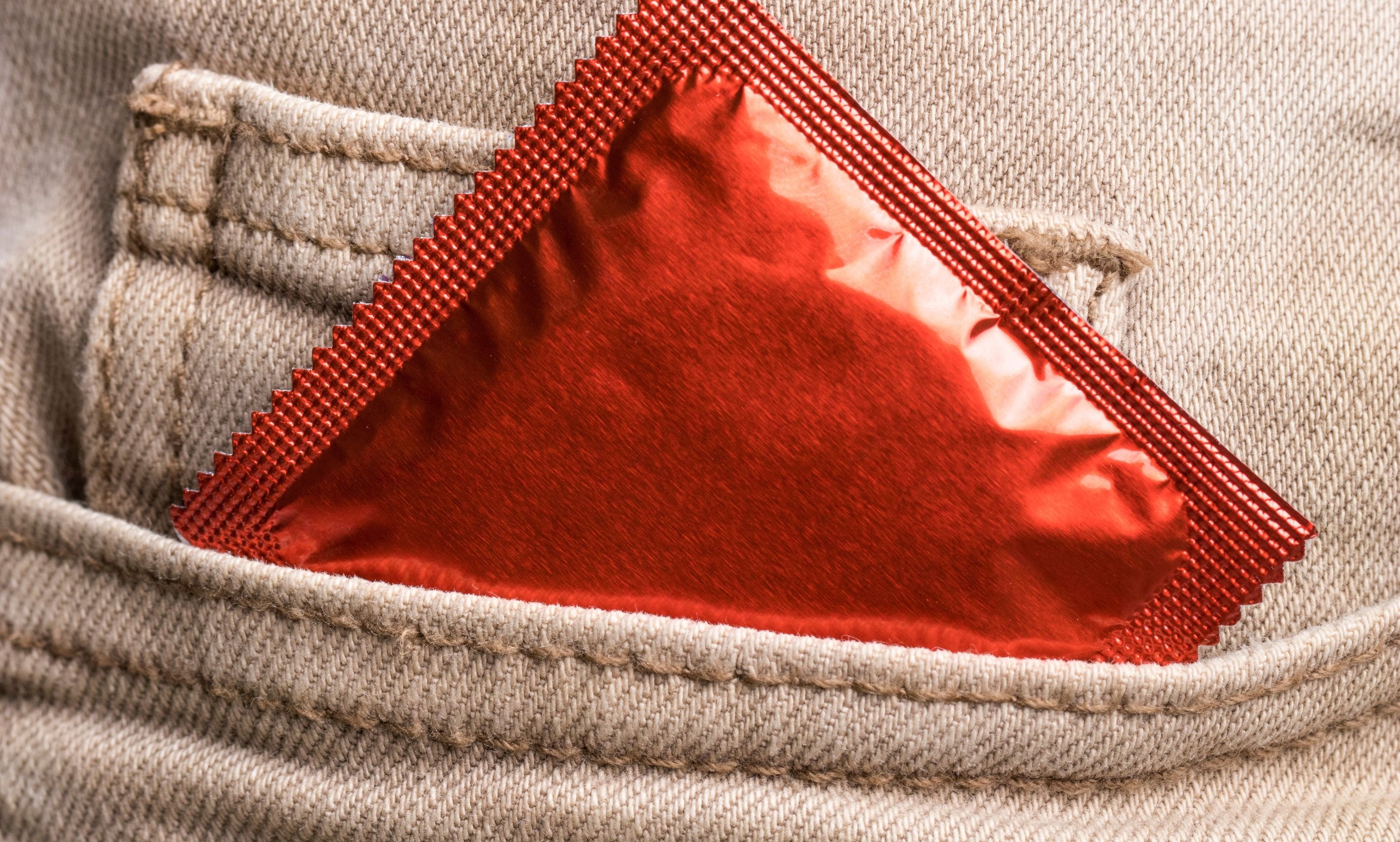
- Correct use of condoms is an effective method to prevent STDs and AIDS.
- Pre-marital health screenings can prevent complications and transmission to partners.
- Vaccinations are a safe and effective way to prevent STDs, such as Hepatitis B vaccine and HPV vaccine.
Conclusion
STDs consist of various diseases which can be prevented and treated. The key is to prevent infection by not frequently changing sexual partners, using condoms, regular health checks, and vaccinations. These steps can help keep us safe from STDs.
Leave a Reply