
Smoking and the Risk of Cervical Cancer
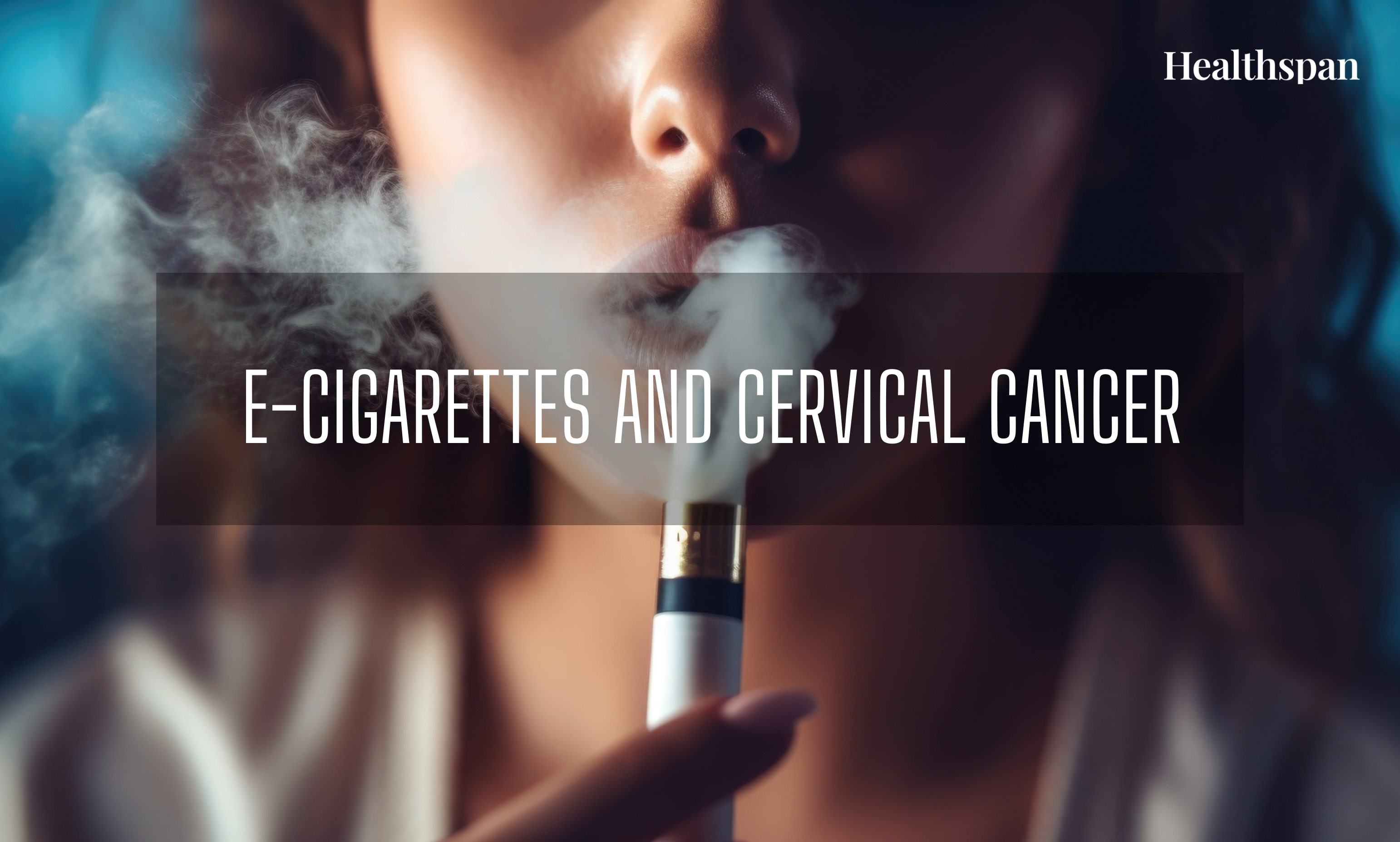
For all the non-smoking ladies who still wonder how smoking can pose a risk for cervical cancer, even though the smoke is inhaled into the lungs and doesn’t directly reach the cervix or the birth canal, it must be clarified that it’s the cancer-causing substances in cigarettes that are absorbed into the bloodstream. When these substances encounter the HPV virus in both the mouth and cervix, they interact and collaborate to form what we know as cervical cancer.
The HPV virus not only causes cervical cancer but can also lead to other types of cancer such as oral cancer, anal cancer, bladder cancer, and throat cancer. Since HPV is mainly transmitted through sexual activity, up to 90% of cases are linked to sexual intercourse (the remaining 10% may occur due to other factors, such as public restrooms). Consequently, any sexual activity through any pathway can potentially lead to cancer or precancerous conditions caused by HPV.
“I smoke e-cigarettes,” you might say. While e-cigarettes don’t produce the same combustion and toxic chemicals as traditional cigarettes, they do contain nicotine, which is also a cancer-causing substance. Although e-cigarettes are considered less toxic compared to other addictive substances, they still carry the risk of diseases like Alzheimer’s and Parkinson’s.
So, regardless of the form of smoking, it’s crucial to understand that the chemicals and toxins in tobacco and nicotine products pose significant risks for developing cervical and other types of cancer. Therefore, it’s vital to quit smoking and adopt a healthier lifestyle to reduce the chances of such diseases.
Leave a Reply