
Loose Vaginal Walls? Here’s What You Can Do
Loose vaginal walls or lack of tightness can result from various factors, including aging, structural changes, and more. We can treat and prevent this issue through Kegel exercises, yoga, surgical vaginoplasty, and vaginal tightening lasers.
Contents:
- Practicing Vaginal Squeezes
- Kegel Exercises
- Yoga
- Surgical Vaginal Tightening
- Vaginal Tightening Laser
Loose vaginal walls or a lack of vaginal tightness can be a hit to our confidence in our love lives. It’s caused by various factors like aging, which leads to decreased estrogen levels and the natural deterioration of vaginal structures. Other contributors include congenital muscle weakness, pregnancy, childbirth, chronic coughing, stress, menopause, genetics, obesity, activities that increase abdominal pressure, heavy lifting, and chronic constipation. Here are some effective treatments:

Practicing Vaginal Squeezes
This effective method involves exercises similar to pelvic floor workouts, supporting the vagina, cervix, intestines, bladder, and urethra. Simply lie down, slightly spread your legs, and gradually tighten your vaginal muscles for 5 seconds, followed by a 5-second relaxation. Repeat this 5 times to strengthen your pelvic bone and tighten your vagina.

Kegel Exercises
Kegel exercises are a proven way to tackle vaginal looseness by strengthening the pelvic floor muscles, enhancing tightness. Imagine holding a pee; that’s the muscle you want to squeeze. Hold for 5 seconds, then release for 5 seconds. Doing this for at least 45 minutes daily can significantly improve tightness.
Yoga
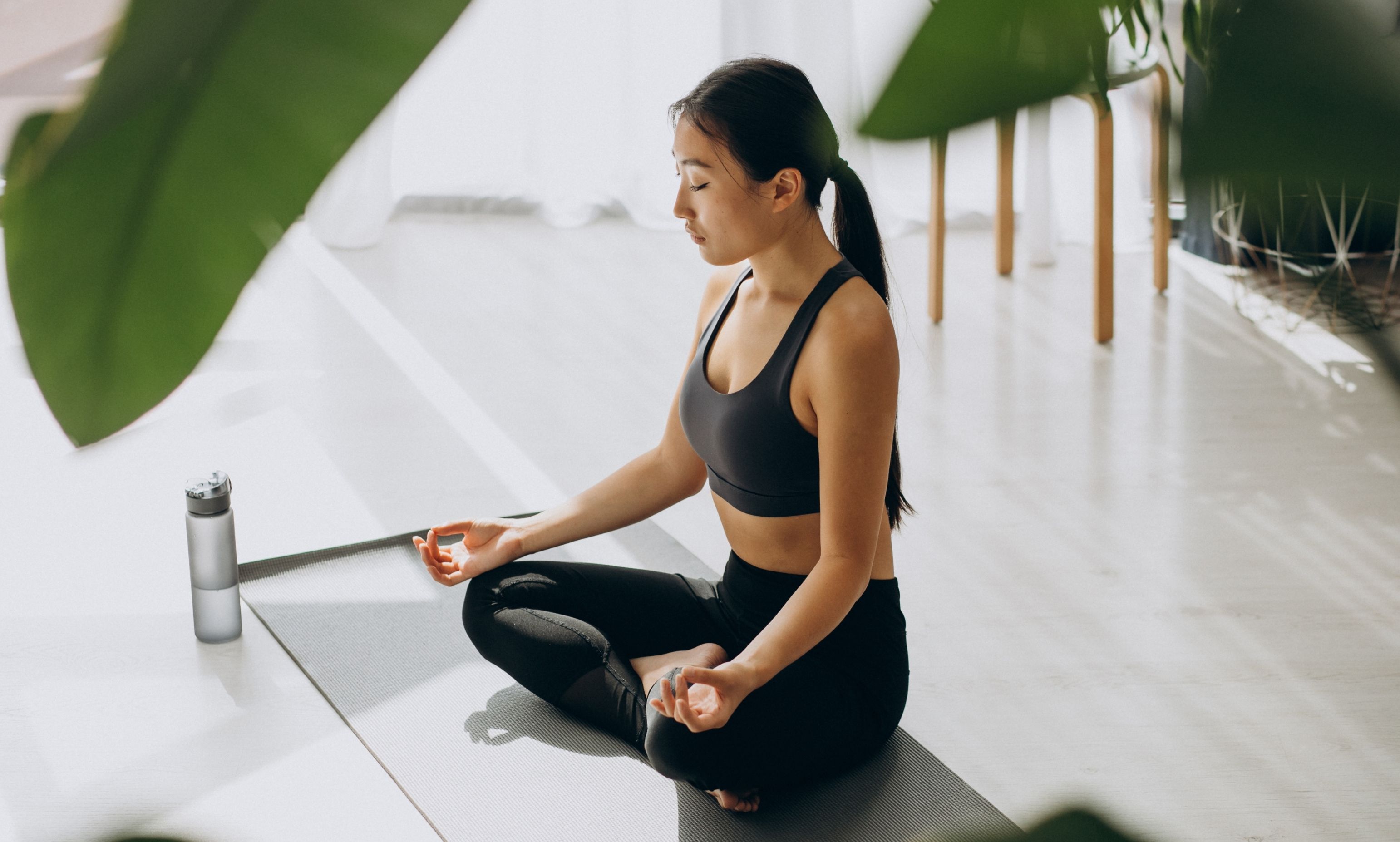
Yoga offers various poses that can aid in tightening the vaginal walls, including the Kegel squat, Side Clamshell, Kegel Bridge, Single-leg kick, Knee Fold, and Fire Hydrant. These poses work by contracting and relaxing the pelvic floor muscles, strengthening the vagina, and preventing looseness.
Surgical Vaginal Tightening (Vaginoplasty)
This surgical option adjusts the diameter of the vaginal canal, making it smaller. The procedure takes 1-2 hours under anesthesia, with a 48-hour catheter post-operation. It’s essential to consult a specialist to evaluate the best treatment option, as many modern techniques don’t require downtime.

Vaginal Tightening Laser (Monalisa Touch)
A non-invasive, pain-free option that doesn’t require surgery or downtime. Treatments are quick, taking only 2-3 minutes, and you can resume your daily activities immediately. The laser and high-frequency sound waves effectively tighten the vaginal skin, stimulate new collagen production, and address looseness effectively.
Conclusion
There are both natural and surgical options for treating and preventing vaginal looseness. Natural methods mainly focus on pelvic floor exercises directly related to vaginal health. By maintaining a strong pelvic floor, you can solve looseness issues, increase lubrication, reduce infections, alleviate vaginal atrophy, and enhance sexual pleasure.
Leave a Reply