
Dry Vagina: Causes and Treatments
A dry vagina, resulting from reduced natural lubrication, can lead to thinning and drying of the vaginal tissues. This condition is often caused by low estrogen levels, certain medications, chronic diseases, daily habits, and affects women aged 18-50, especially those in menopause.
Contents:
What causes a dry vagina? A common question among many women. In fact, a dry vagina can result from various causes and can affect women from 18 to 50 years old, especially those nearing or in menopause. It leads to itching, irritation, burning, painful intercourse, and sometimes painful urination.
Causes of Dry Vagina
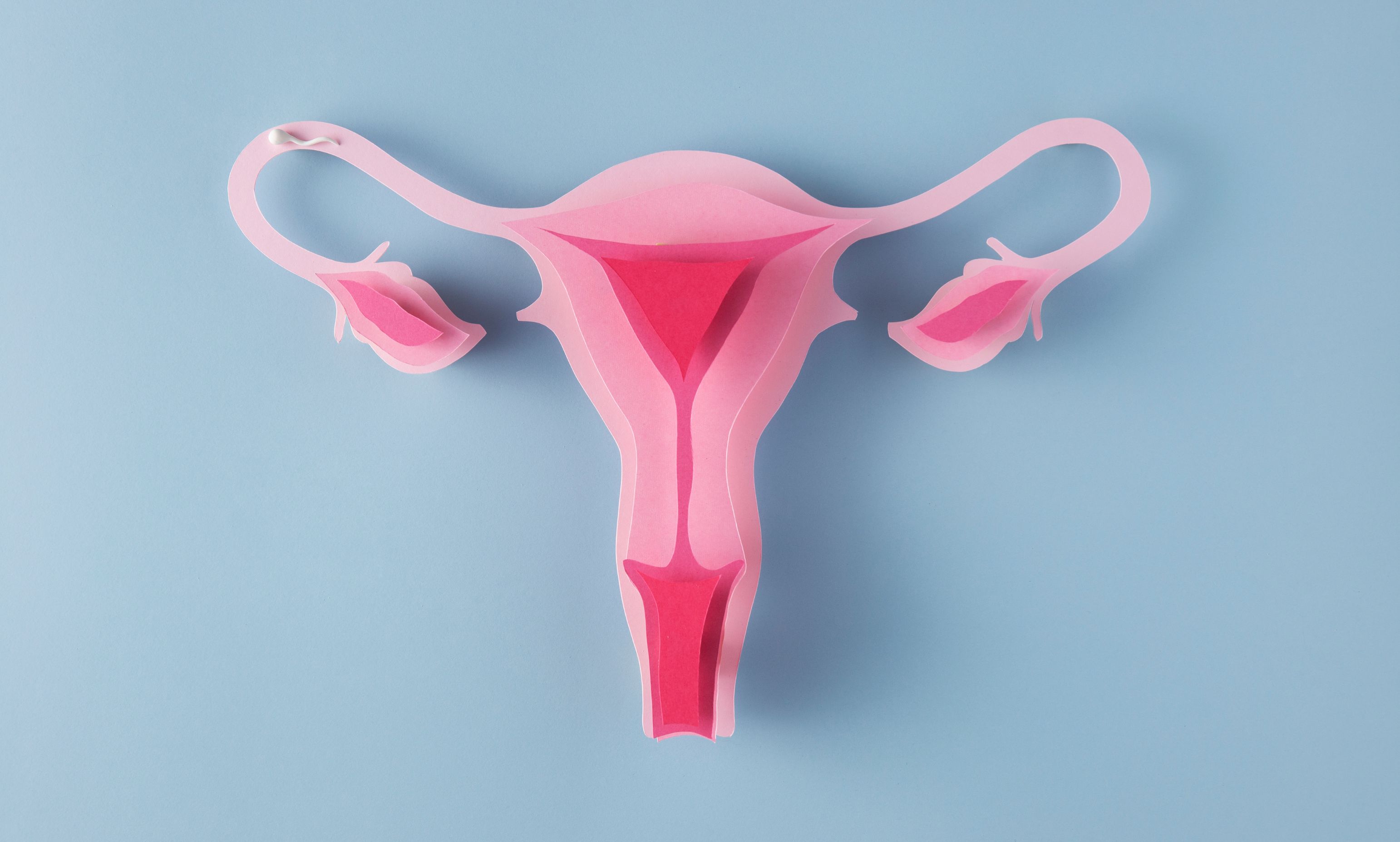
Normally, the vaginal mucosa is lubricated by fluids that keep it thick and elastic. Dry vagina occurs when these tissues become dry, thin, and lack sufficient moisture. There are several reasons for this condition:
-
Low Estrogen (Estrogen) Levels, such as:
- Women nearing menopause
- Women in menopause
- Women who have undergone ovary and uterus surgery
- New mothers and breastfeeding mothers
- Use of birth control pills or injections
- Estrogen-blocking medications for treating uterine tumors or abnormal endometrial growth
-
Certain Medications, such as:
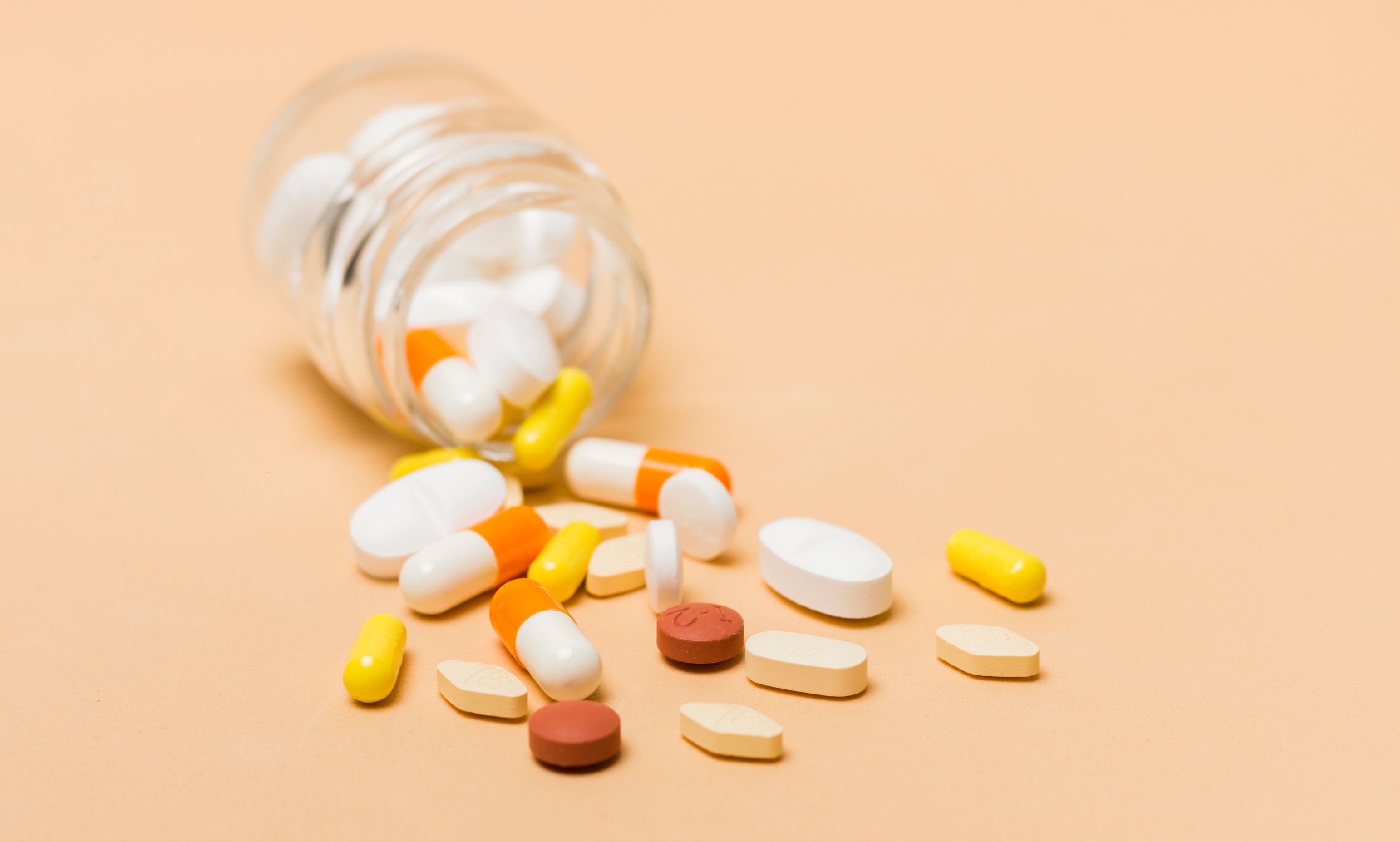
- Antidepressants
- Nerve-calming medications
- Some allergy medications or those containing antihistamines
- Chemotherapy and radiation therapy in the pelvic area
-
Chronic Diseases, such as:

- Diabetes
- Autoimmune diseases that can cause dry skin throughout the body
-
Daily Habits, including:
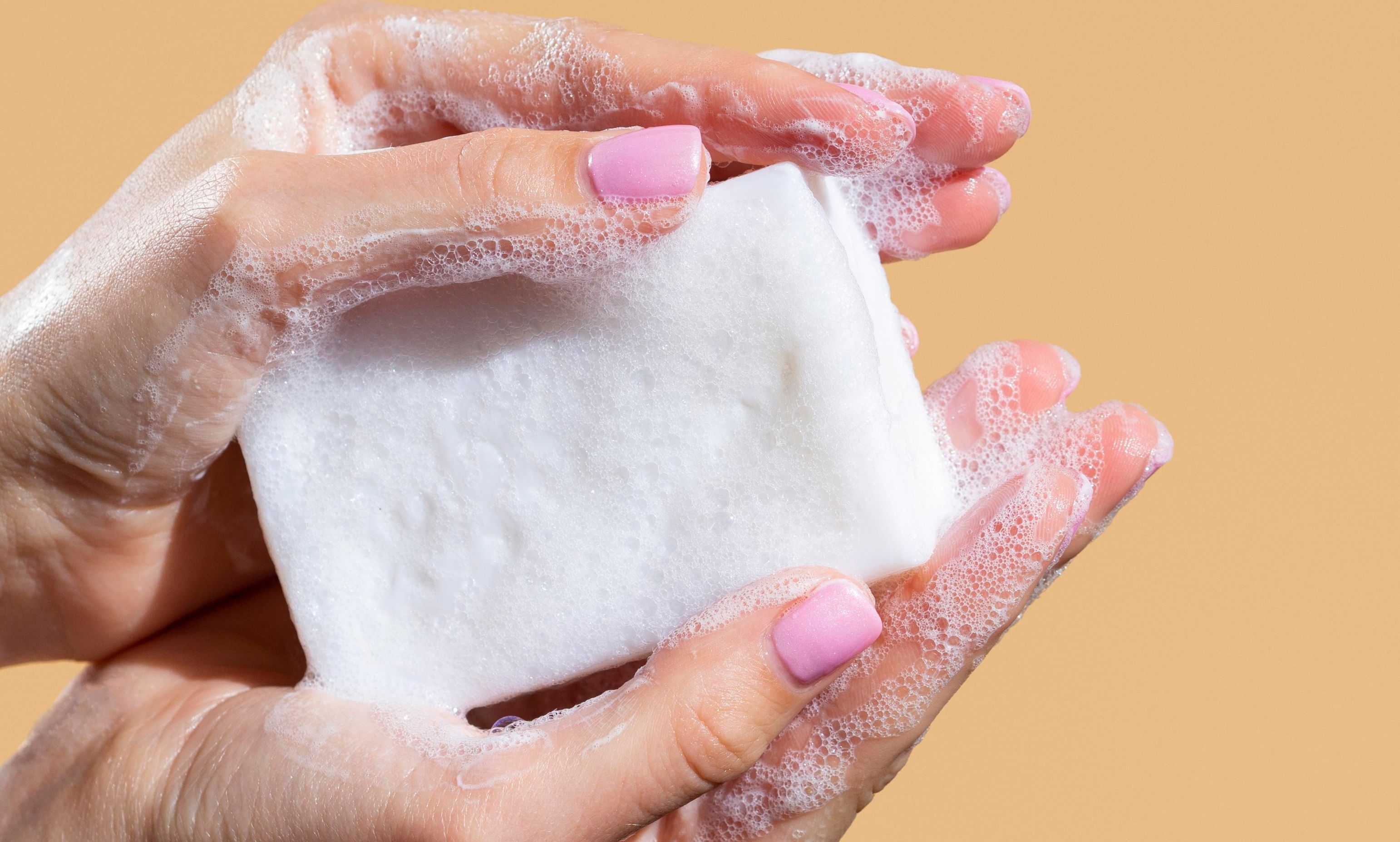
- Vaginal douching with soap or cleaning agents
- Smoking
- Drug use
Treatments for Dry Vagina
- Estrogen Hormone Pills for low estrogen levels, suitable for menopausal or pre-menopausal women, balancing hormones, increasing moisture, and naturally lubricating the vaginal mucosa.
- Applying Estrogen Hormone in the Vagina, such as pills, creams, gels prescribed by a doctor, which helps treat dry vagina due to low estrogen or other cases.
- Using vaginal lubricants and moisturizers, available in pharmacies, to increase moisture in the vagina.
- Drinking enough water. While a dry vagina can have many causes, sufficient water intake can help keep it moist, a simple and self-manageable first aid for dehydration-induced dryness.
- Seeking medical treatment for severe symptoms like vaginal bleeding, intense itching, sexual disinterest affecting relationships, etc.
Conclusion
A dry vagina can have various causes, as mentioned. Self-treatment and medical intervention are both viable. However, for utmost safety, if you experience any abnormal symptoms related to the vagina, consulting a gynecologist is always the best option for your vaginal health.
Leave a Reply