Know Beforehand, Prevent in Time!! Syphilis: Symptoms, Causes, and Treatment
Syphilis is a sexually transmitted disease caused by bacteria. We can prevent and treat it. Symptoms of syphilis involve the skin, such as rashes and sores on the body or around the genitals.
Contents:
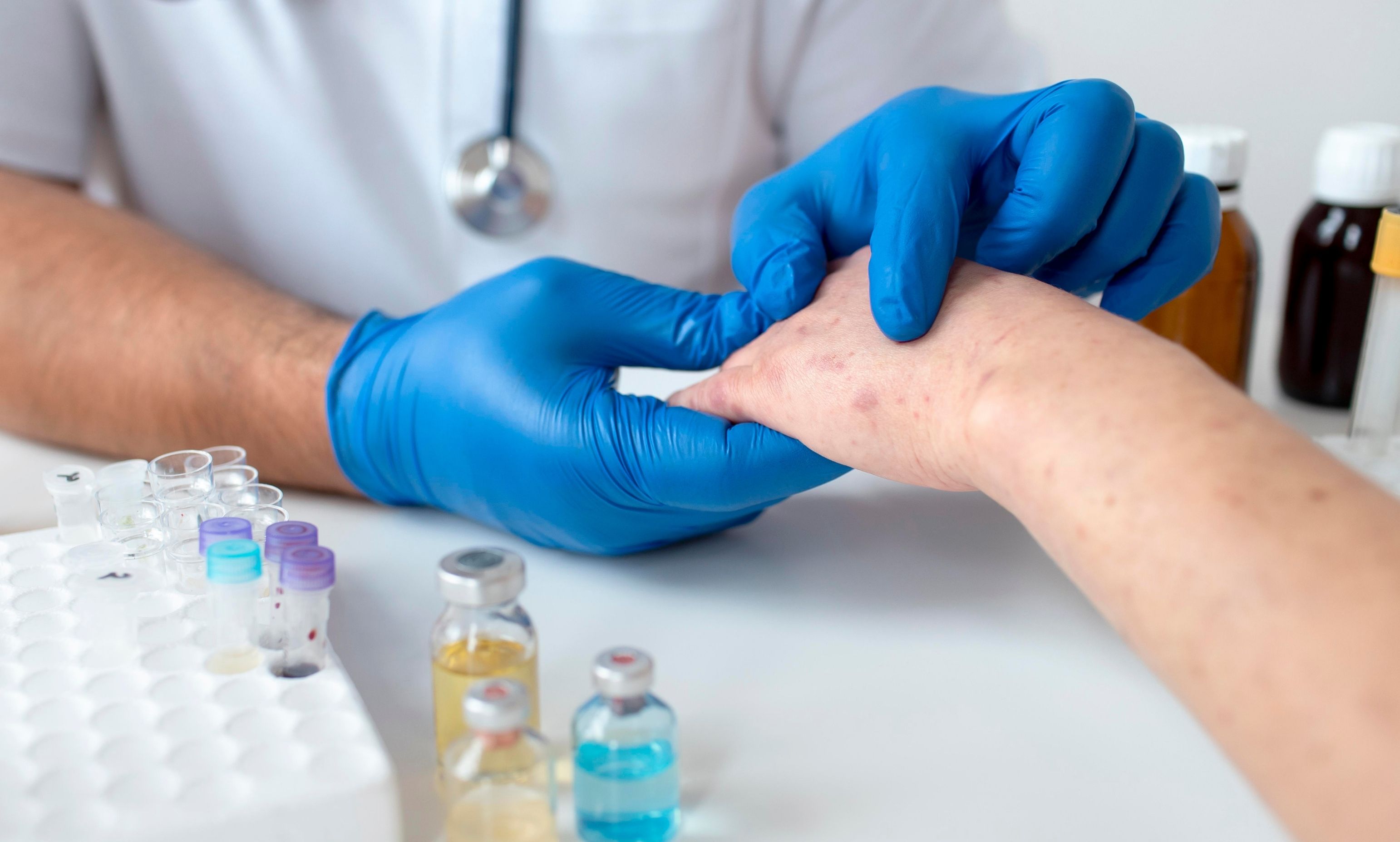
Syphilis is a sexually transmitted disease caused by the bacteria Treponema Pallidum. Untreated syphilis can lead to severe health problems in the future. To protect health and life, it’s essential to understand syphilis well.
What is Syphilis?
Syphilis is a sexually transmitted disease caused by Treponema Pallidum bacteria. It can be transmitted from an infected pregnant mother to her child, leading to low birth weight, premature birth, or even infant death. Post-birth, the infant might suffer from health issues like seizures, deafness, and cataracts. General symptoms of syphilis involve skin-related issues like rashes or sores around the genitals. Untreated, the bacteria can spread throughout the body, potentially leading to death.
Causes of Syphilis
Syphilis can affect all genders. It is transmitted through sexual intercourse with an infected partner, direct contact with syphilis sores during vaginal, anal, or oral sex, and from an infected pregnant mother to her fetus. People with HIV are also susceptible.
Symptoms of Syphilis
Syphilis symptoms are classified into 5 stages, each with different characteristics:
-
Primary Syphilis:
Incubation period of 10-90 days. Initial stage involves one or multiple sores at the infection site, such as genitals, mouth, or lips, causing pain for 3-6 weeks. Some cases are painless, leading to unnoticed spread to the secondary stage.
-
Secondary Syphilis:
The bacteria spread to other body parts, starting with a rash in one or multiple areas, accompanied by fever, headaches, sore throat, fatigue, muscle pain, swollen lymph nodes, hair loss, and weight loss. Untreated, it progresses to the third stage.
-
Latent Syphilis:
A symptom-free stage. If not diagnosed, the infection remains undetected, lasting about 2 years.
-
Tertiary Syphilis:
Affects about 1 in 3 untreated patients (usually 15-40 years after infection). This stage impacts various organs, causing skin lumps or rashes, heart and blood vessel damage, and neurological damage, potentially leading to death.
-
Neurosyphilis:
Can occur at any stage of syphilis, with symptoms like fever, headaches, weakness, and paralysis.
Prevention of Syphilis
- Regular syphilis testing, especially for gay or transgender individuals and those with HIV.
- Pregnant women should be tested for syphilis.
Conclusion
The best way to avoid syphilis is to maintain good hygiene and have regular health check-ups for a healthy body and safety for oneself and loved ones.
Leave a Reply